Mercury Removal With Activated Carbon
Mercury Removal With Activated Carbon. Results reported in figure 2 show the mercuryelimination rate as a function of the time on stream. In this way, activated carbon for removal of mercury gas was prepared.
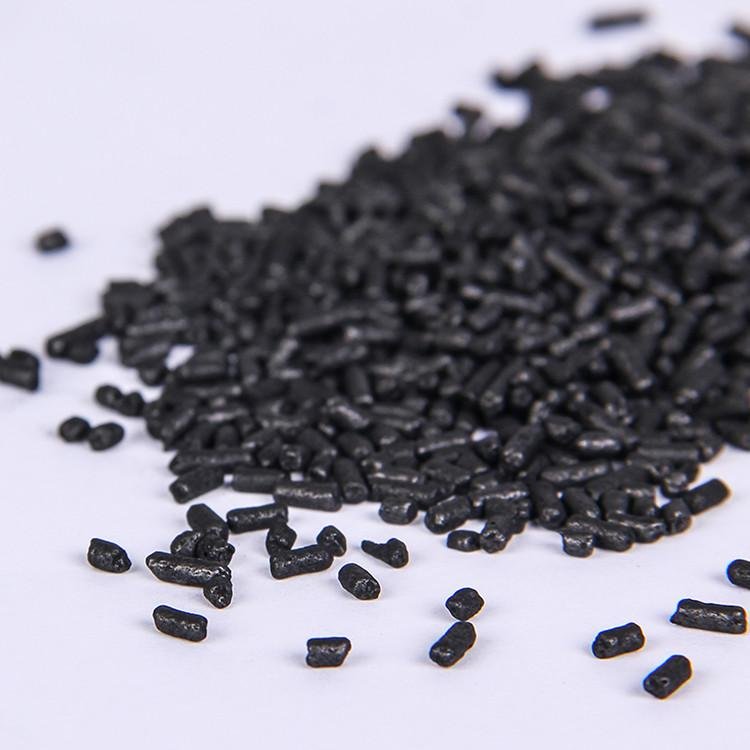 Special activated carbon for sulfur and mercury removal from www.diytrade.com
Activated carbon removes mercury from flue gas by adsorbing mercury, which means that the mercury adsorbed also desorbs. The reaction between hg and s is stoichiometrically 1:1 according to: This loss of active sulfur diminishes mercury (hg) removal capacity of the activated carbon, thus shortening the service life of the bed.

This loss of active sulfur diminishes mercury (hg) removal capacity of the activated carbon, thus shortening the service life of the bed. When our activated carbon is mixed with sulphur, the resulting chemical reaction makes mercury deposit within the pores of the activated carbon and thus it can be removed easily.
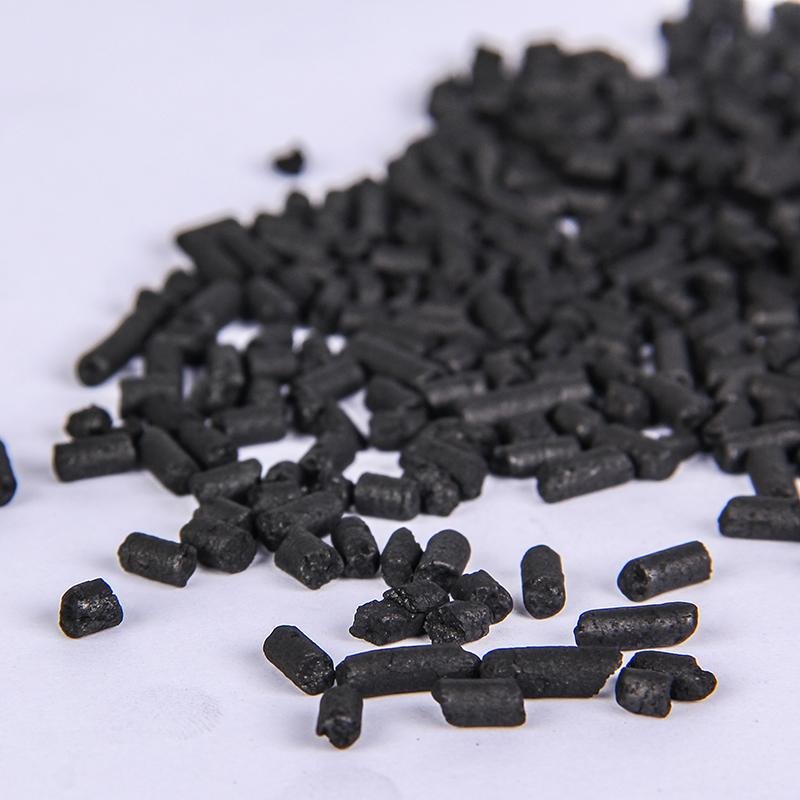
Under normal operating conditions, a properly designed activated carbon bed will remove mercury for many years. Ion exchange resin derived magnetic activated carbon as recyclable and regenerable adsorbent for removal of mercury from flue gases.
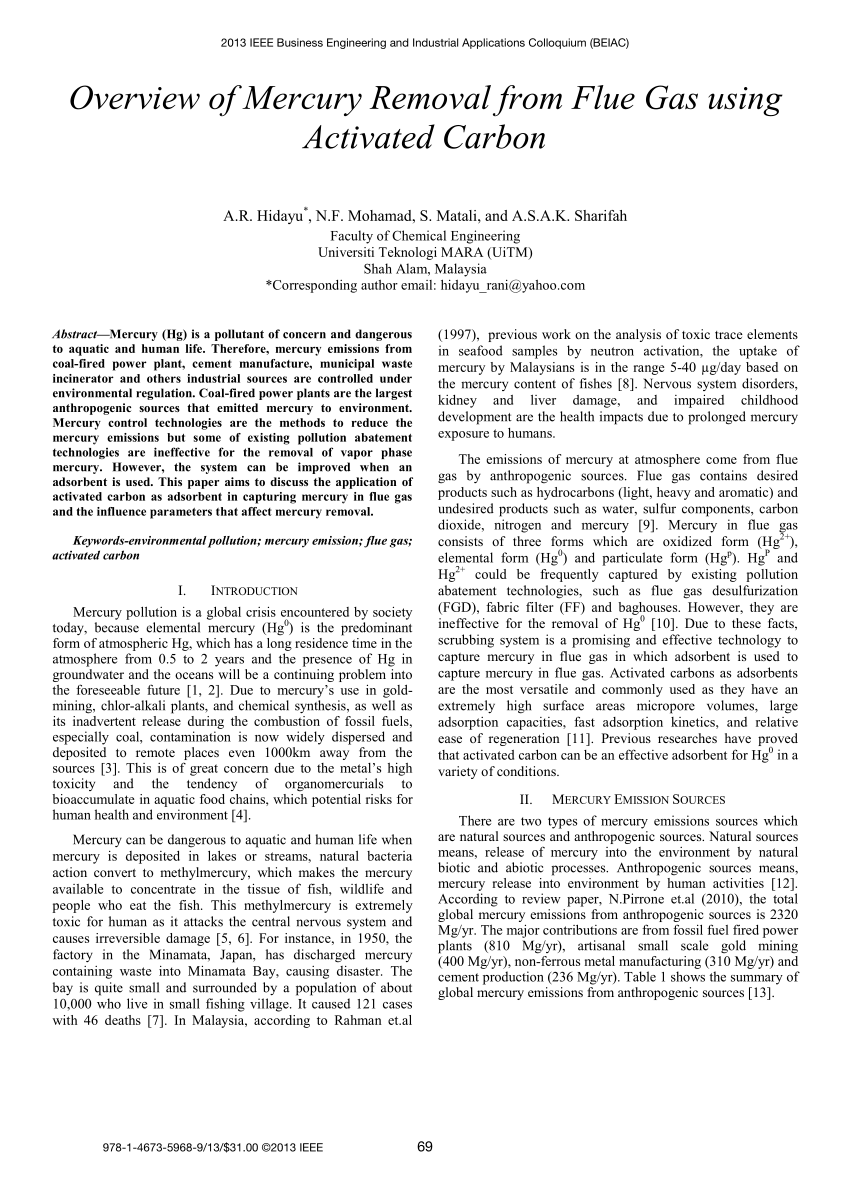
When our activated carbon is mixed with sulphur, the resulting chemical reaction makes mercury deposit within the pores of the activated carbon and thus it can be removed easily. In general, regular pac becomes less effective with temperature, topping out around 400°f.

The chemical composition of the pollutant gas plays a major role; But its capacity is significantly increased by impregnation with a material that chemically reacts with, and
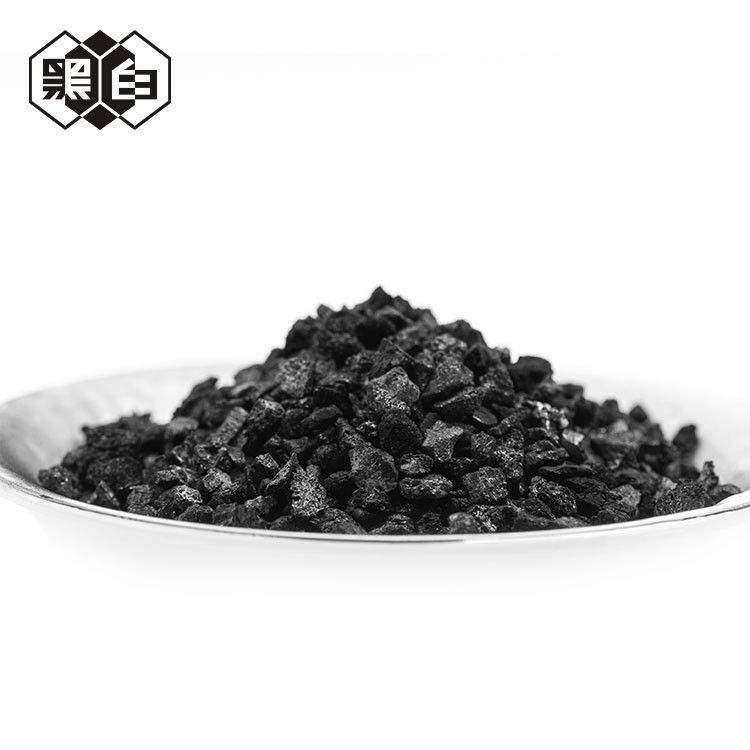
Under normal operating conditions, a properly designed activated carbon bed will remove mercury for many years. Our products and technologies are proven to be effective, and continue to be the.
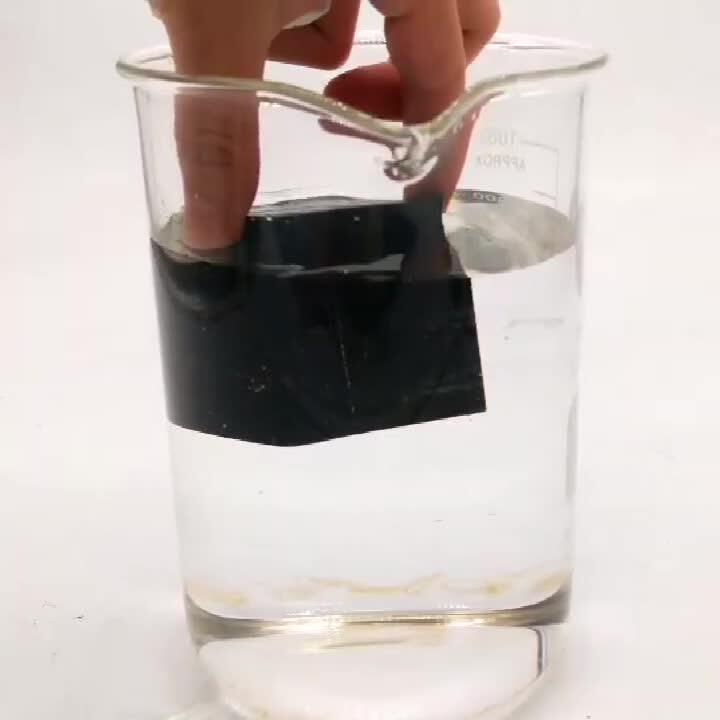
But its capacity is significantly increased by impregnation with a material that chemically reacts with, and Since 2006, ldx solutions has been designing and supplying systems capable of mitigating up to 99% removal of mercury through activated carbon injection (aci) technologies.

Therefore, any mercury removal process must be effective at very low concentrations. In general, regular pac becomes less effective with temperature, topping out around 400°f.
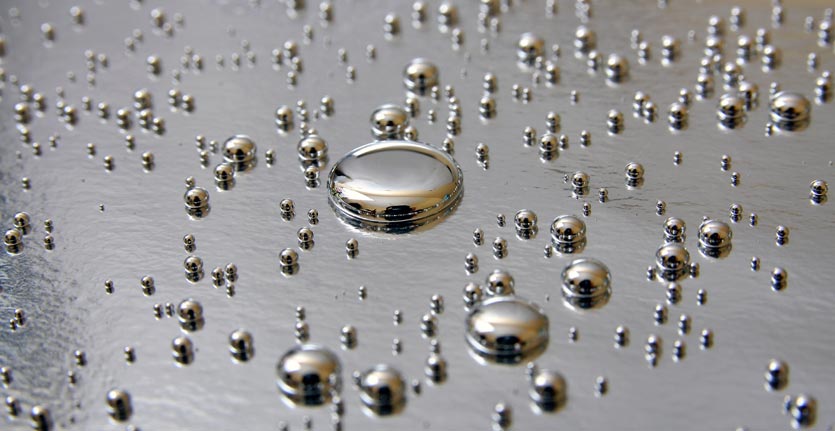
The reaction between hg and s is stoichiometrically 1:1 according to: Unimpregnated activated carbon is a fair adsorbent for mercury.

Mercury has low vapor pressure and low solubility. Of sulfur from the carbon.

Just as the addition of dry sorbents for the removal of acid gases is effective, so is the addition of powdered activated carbon (pac) for mercury. Calgon carbon corporation has been defining system requirements and supplying hgr activated carbon products for mercury removal to liquid natural gas plants for more than 40 years using an extensive performance database produced from both lab and field studies.
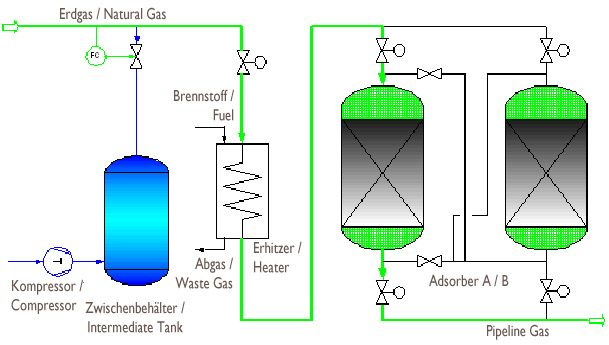
In this way, activated carbon for removal of mercury gas was prepared. In general, regular pac becomes less effective with temperature, topping out around 400°f.

Ion exchange resin derived magnetic activated carbon as recyclable and regenerable adsorbent for removal of mercury from flue gases. Hence, the difficulty of blanket statements.
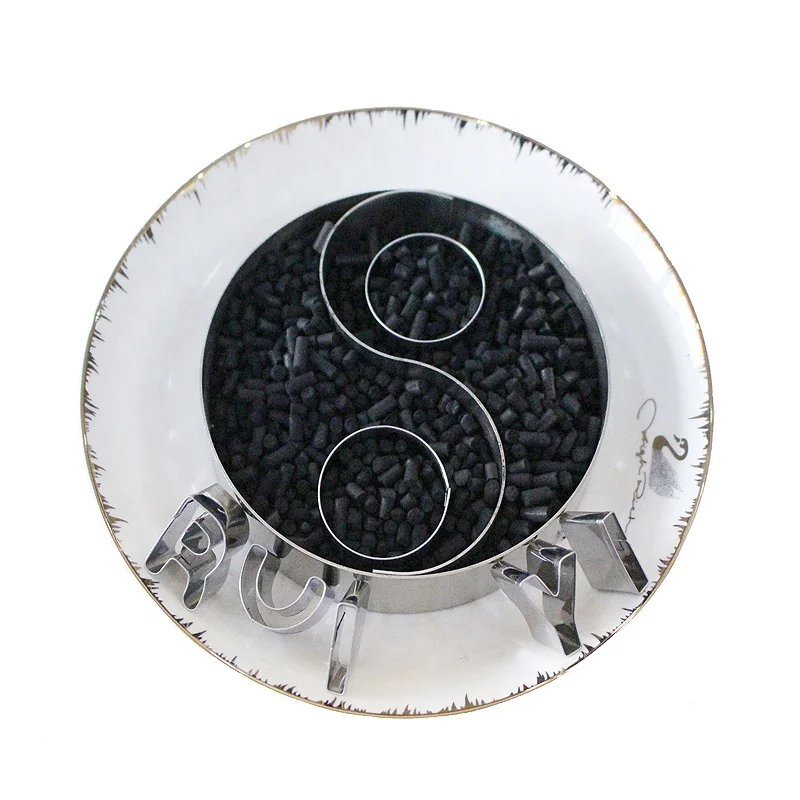
This product is intended for use in customer environments where mercury exists in elemental form and must be oxidized before capture. Hga is a pellet form, steam activated carbon which has been sulphur impregnated for mercury adsorption in vapor form from natural gas and.

Treatment with activated carbon alone was most effective at low ph. Mercury has low vapor pressure and low solubility.

The adsorbed hg is chemically bound to the carbon, and cannot be easily desorbed. Unimpregnated activated carbon is a fair adsorbent for mercury.
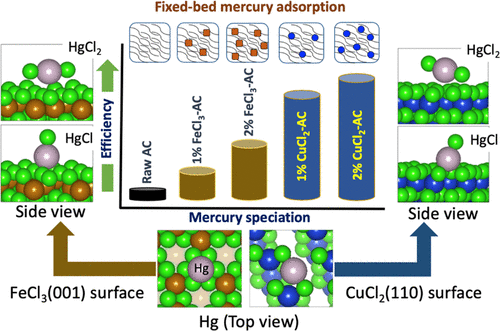
Ion exchange resin derived magnetic activated carbon as recyclable and regenerable adsorbent for removal of mercury from flue gases. Desorption results indicated that around 60% to 80% of the adsorbed hg(ii) could be recovered from the carbons to 0.1 m hno(3) solution by sonication treatment.
Hga, is an impregnated activated carbon for use in mercury removal applications and commonly as a mercury guard bed for brazed aluminum heat exchangers (bahx) and other vapor phase mercury capture processes. Conditions, a properly designed activated carbon bed will remove mercury for many years.
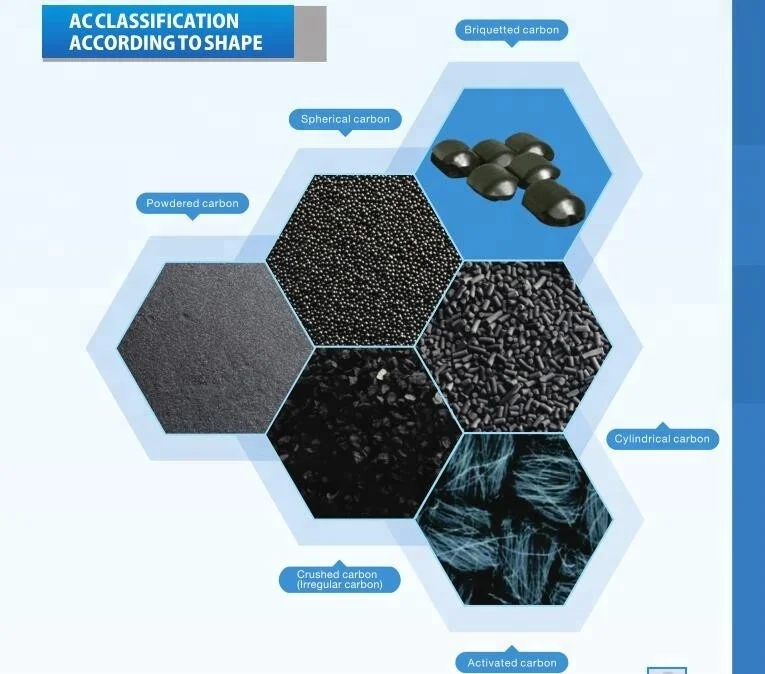
Adsorption is such a process. Treatment with activated carbon alone was most effective at low ph.
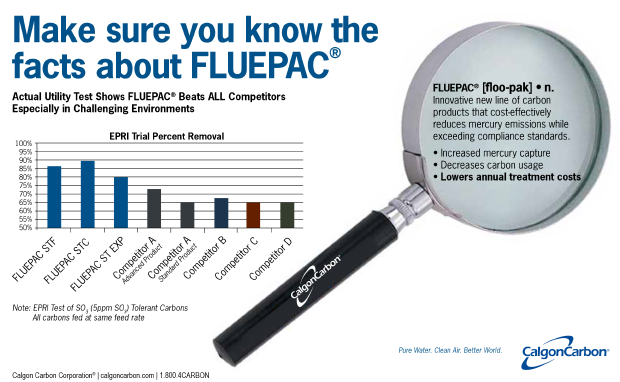
The adsorbed hg is chemically bound to the carbon, and cannot be easily desorbed. Activated carbon serves as an excellent carrier for various impregnants, which physically react with.
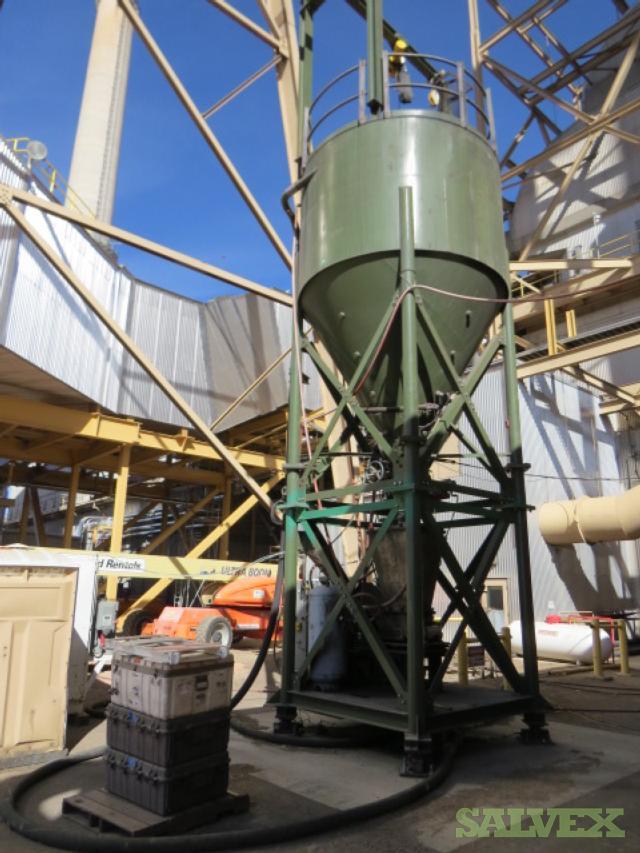
Cabotcorp.com u exceptional mercury removal efficiency from natural gas streams u high loading capacity enables estimated lifetime of over six years u exceptional hardness and lowest pressure drop compared to other granular activated carbon products performance mercury is a toxic metal that occurs in natural gas that is harmful to the environment and to chemical. Activated carbon serves as an excellent carrier for various impregnants, which physically react with.
But Only A Slight Dynamic Adsorption Capacity Would Be Observed.Adsorption is such a process. Desorption results indicated that around 60% to 80% of the adsorbed hg(ii) could be recovered from the carbons to 0.1 m hno(3) solution by sonication treatment. The reaction between hg and s is stoichiometrically 1:1 according to:
Under Normal Operating Conditions, A Properly Designed Activated Carbon Bed Will Remove Mercury For Many Years.Mercury (ii) removal from water by coconut shell based activated carbon: Activated carbon removes mercury from flue gas by adsorbing mercury, which means that the mercury adsorbed also desorbs. Treatment with activated carbon alone was most effective at low ph.
Cabotcorp.com U Exceptional Mercury Removal Efficiency From Natural Gas Streams U High Loading Capacity Enables Estimated Lifetime Of Over Six Years U Exceptional Hardness And Lowest Pressure Drop Compared To Other Granular Activated Carbon Products Performance Mercury Is A Toxic Metal That Occurs In Natural Gas That Is Harmful To The Environment And To Chemical.When our activated carbon is mixed with sulphur, the resulting chemical reaction makes mercury deposit within the pores of the activated carbon and thus it can be removed easily. With the use of cfd modeling we can design the most appropriate injection array to ensure even distribution of the carbon. However high capital and regeneration cost of activated carbon have led to a search.
Conditions, A Properly Designed Activated Carbon Bed Will Remove Mercury For Many Years.Just as the addition of dry sorbents for the removal of acid gases is effective, so is the addition of powdered activated carbon (pac) for mercury. Activated carbon serves as an excellent carrier for various impregnants, which physically react with. Mercury, a toxic and corrosive material, must be removed from various gas and liquid streams.
Mercury Has Low Vapor Pressure And Low Solubility.For this reason, activated carbon is limited to low utilization, and mercury capture from the flue gas stops when the desorption rate reaches the adsorption. In general, regular pac becomes less effective with temperature, topping out around 400°f. Accordingly, it is believed that the activated carbons developed in this study are effective and practical for utilization in industrial wastewater treatment for mercury removal.
Komentar
Posting Komentar