Pectic Enzyme For Cider
Pectic Enzyme For Cider. After fermentation, sweeten to your taste. Use 1/8 teaspoon of pectic enzyme for every gallon of juice.
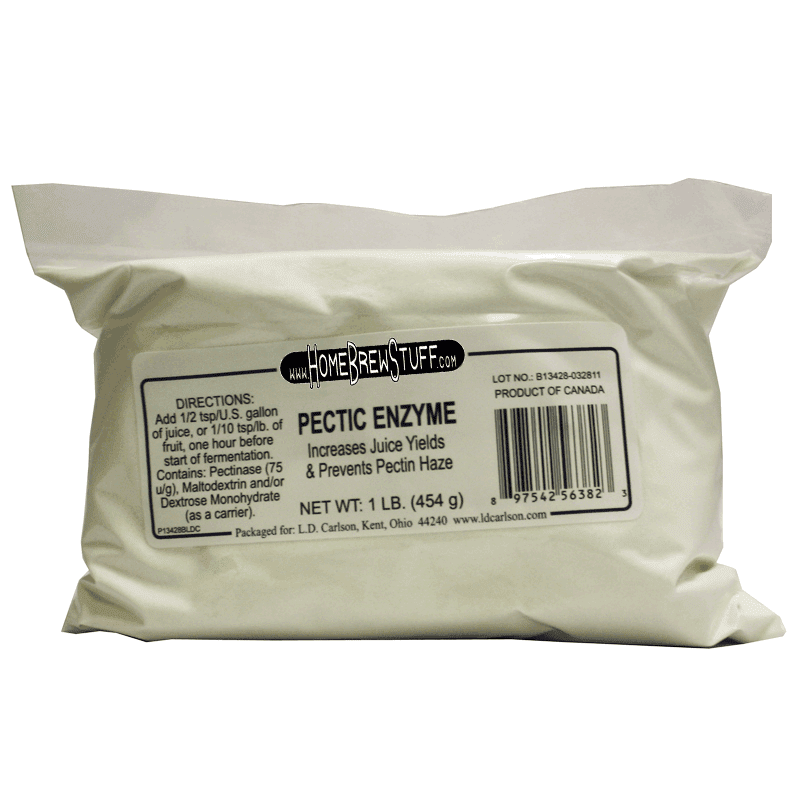
 Pectic Enzyme 1 lb Bag Bell's General Store Online from store.bellsbeer.com
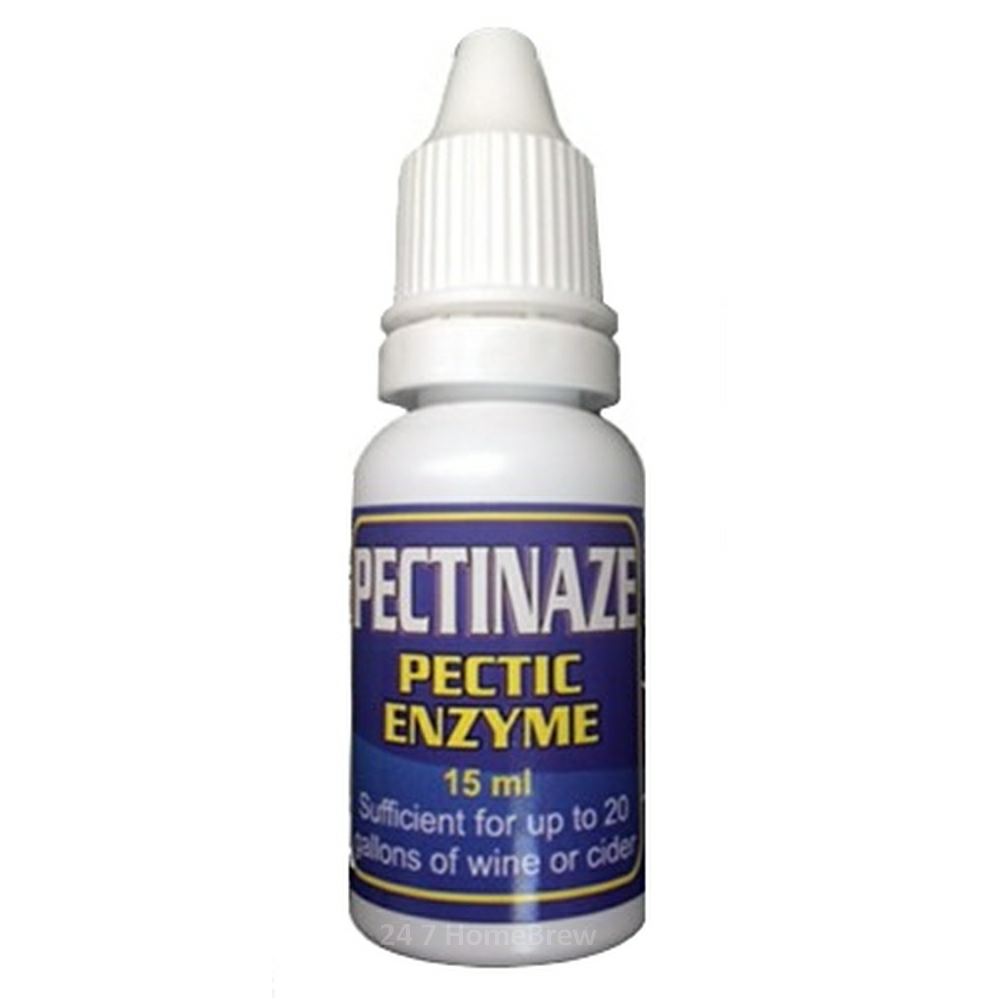
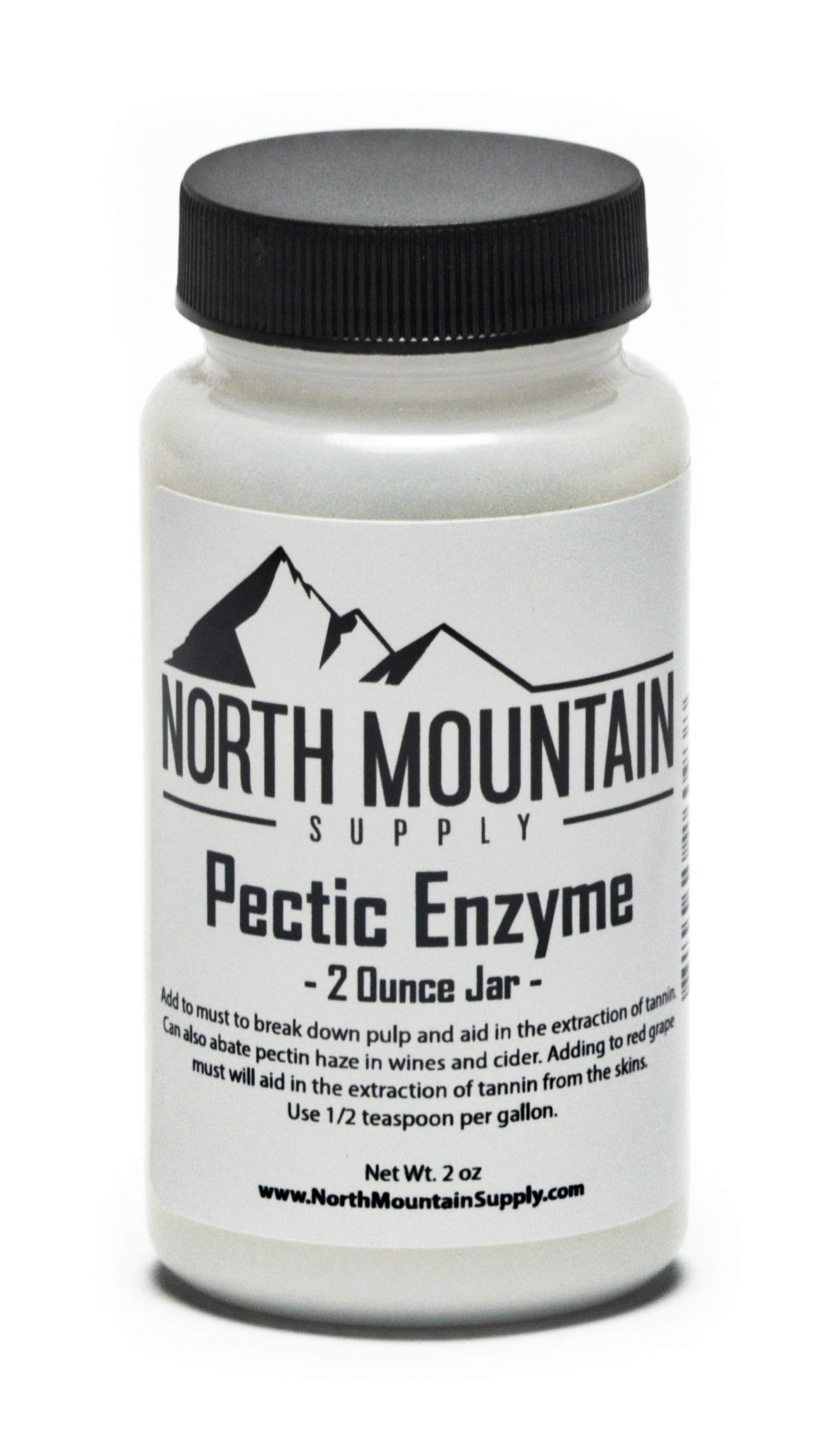
Commercially pectic enzymes are available in both powder and liquid form. My ciders are crystal clear. The pectin will form a gel or a clot, or possibly strings if there isn't much of it there.

Ascorbic acid may be added to prevent the juice from darkening. Pectinase, maltodextrin/dextrose a solid carrier like that (no preservative) shouldn't.

After you pulp or mash a fruit pectin still acts as a structural member, using pectic enzyme breaks this structure getting more juice and. The pectic enzymes harvested from these sources work particularly well in breaking down pectin even in an adverse and harsh environment like fermentation.

You usually add pectic enzyme before fermentation and wait a day or so for it to do its job, but you can add after fermentation, but you will need to up the dose because the presence of alcohol will hinder its ability to break down pectin. For those batches that this has proved successful it always takes weeks, not days, for the must to clear.
Using pectic enzyme has the following effects: Ascorbic acid may be added to prevent the juice from darkening.

177 1 1 silver badge 7 7 bronze badges. Pectic enzyme can also be added to red grape must to help the extraction of tannin from the fruit skins.

If you think you have a pectin haze in the finished cider, add one part of cider to two or three parts of methylated spirit in a small glass and shake well. Of sugar per gallon for a dry hard cider (not sweet) or 1 1/2 lbs.

To the juice, add in the yeast, yeast nutrients and pectic enzyme. Remove pulp, if desired, by adding a pectic enzyme.
Pectin enzyme will help eliminate a haze that normal finings will not remove. It breaks down the fruit you are trying to extract juice and flavour from.

Commercially pectic enzymes are available in both powder and liquid form. These are naturally occurring compounds found in plants that breakdown the polysaccharide known as pectin.

Adding it to a wine must will break down the pulp, making pressing more efficient. Adding it to a wine must will break down the pulp, making pressing more efficient.
Use 1/8 teaspoon of pectic enzyme for every gallon of juice. Pectic enzymes are proteins used in winemaking for a couple of purposes, most commonly to clear up wine by breaking down pectins to prevent a "pectin haze.".

Remove pulp, if desired, by adding a pectic enzyme. Adding it to red grape must will aid in the extraction of tannin from the skins.

After settling overnight, siphon the clear juice into another container for heating. Pectic, sometimes called 'pectolytic' enzyme breaks down pectin (a natural glue that holds plant cells together).

Pectin gives structure and strength to the plant cells. In other words, it is a protein that acts as a catalyst to degrade the pectin naturally found in fruit.
Before fermentation, the general rule is to add one pound per gallon of cider. Generally, its added prior to pitching the yeast, up to 24 hours before.
I have had mixed results using pectic enzyme to clear my cider. Before fermentation, the general rule is to add one pound per gallon of cider.

Pectin enzyme will help reduce pectin's hazing effect in wine or cider which will leave you with a clear bright finished product, when fermented properly. Give the pectic enzyme three to four hours to break down the applesauce, and then move on to pressing the apple juice.

Pectic enzyme can also be added to red grape must to help the extraction of tannin from the fruit skins. Honey can be substituted for sugar on a pound per pound basis.

How much pectic enzyme to use in a gallon of hard cider. This is that thing mentioned earlier found in plant cells.

Add a comment | 2 answers active oldest votes. The pectic enzymes harvested from these sources work particularly well in breaking down pectin even in an adverse and harsh environment like fermentation.
The Pectin Will Form A Gel Or A Clot, Or Possibly Strings If There Isn't Much Of It There.Pectic enzyme can also be added to red grape must to help the extraction of tannin from the fruit skins. Additionally, pectic enzymes can be added prior to pressing your fruit to help color and juice extraction. Laugh salutes monica c laugh salutes monica c.
Give The Pectic Enzyme Three To Four Hours To Break Down The Applesauce, And Then Move On To Pressing The Apple Juice.Adding it to a wine must will break down the pulp, making pressing more efficient. Use 1/8 teaspoon of pectic enzyme for every gallon of juice. 1/2 tsp per gallon, contents:
Honey Can Be Substituted For Sugar On A Pound Per Pound Basis.In other words, it is a protein that acts as a catalyst to degrade the pectin naturally found in fruit. I mix up the must, sulfite it, then add the pectic. Adding it to red grape must will aid in the extraction of tannin from the skins.
This Is That Thing Mentioned Earlier Found In Plant Cells.After fermentation, sweeten to your taste. Commercially pectic enzymes are available in both powder and liquid form. Add a comment | 2 answers active oldest votes.
To The Cider Add 1Lb.I believe you may be able to add it post fermentation, haze won't hurt the cider, just won't be as pretty. This is less about mixing the ingredients and more about aerating the cider. Before fermentation, the general rule is to add one pound per gallon of cider.
Komentar
Posting Komentar